
Our latest observations on all things running
Our News
05.11.25
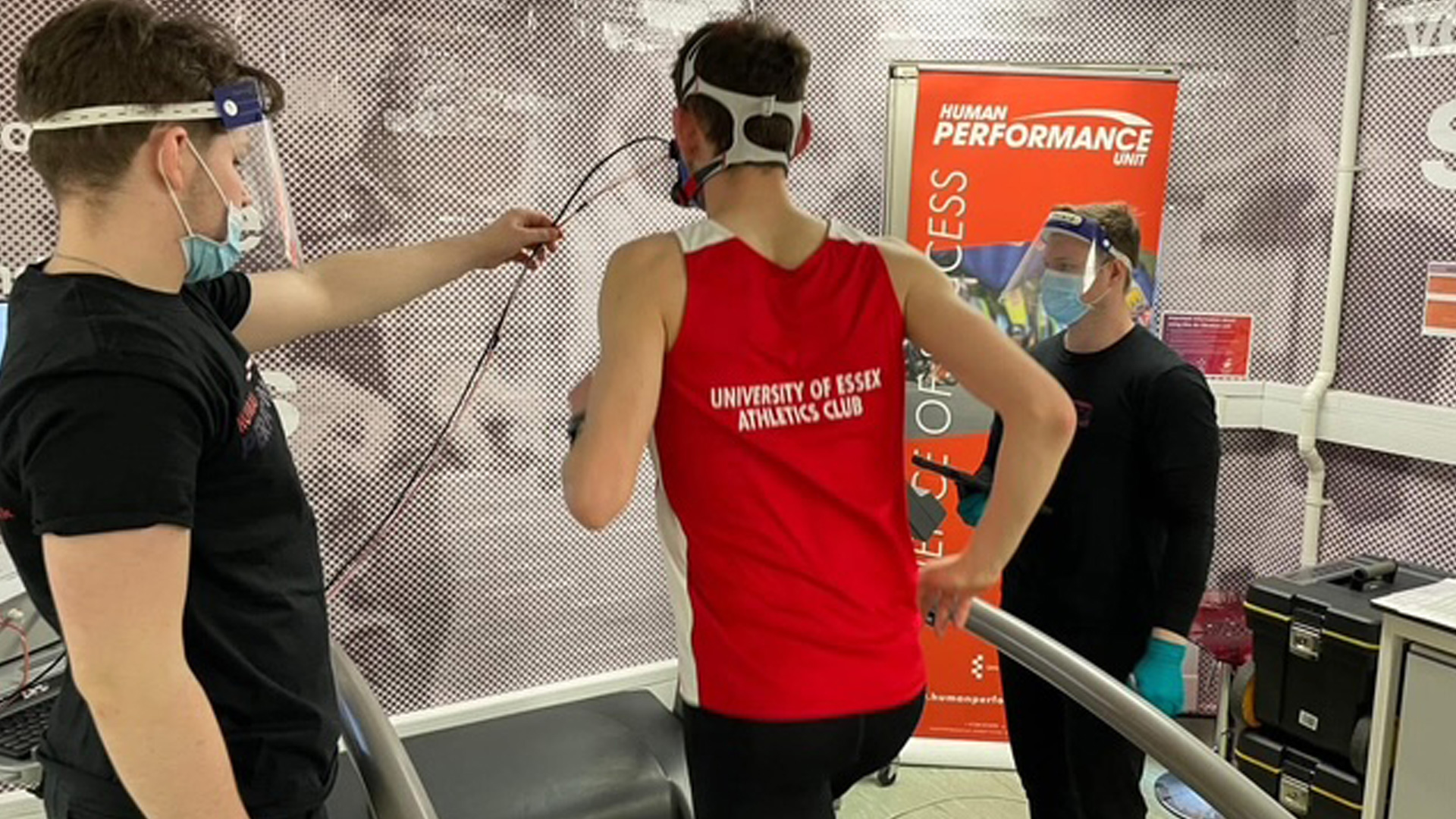
What is Lactate Threshold and how does it relate to training?
Lactate threshold training is probably one of the most talked about components of training at the performance end of the sport. Its rise as a system as opposed to just a component has been popularised by the Ingebritsen brothers and their exploits on the track, also leading triathletes like Kristian Blummenfelt and Gustav Iden, coached by Olav Aleksander Bu. In addition, the methodology has also brought great success to Norway’s Nordic sportsmen and women, this has led to a collective moniker for the training system being known as the Norwegian Method.
If you’ve seen the term Lactate Threshold Training being banded about, but never really understood what it is or how it relates to training, then read on, this one is for you.
Our bodies are constantly generating energy through lots of chemical reactions, a byproduct of which is a molecule called lactate, which, when we’re resting, is quickly cleared from the body and doesn’t accumulate
When we start running, our energy demands increase, and as a result, we produce more lactate. Now here’s the important part – lactate threshold, otherwise known as aerobic threshold, or LT1, is the first point at which lactate production is equal to lactate clearance. At this point, lactate is elevated, but not accumulating rapidly.
But it doesn’t stop there… we have two thresholds. The anaerobic threshold, known as LT2, is the point at which lactate starts rapidly accumulating in the blood. The exact concentration can be determined only using lactate testing and analysis, but it can be approximated at 4mmol/L of blood. At this point, production is far exceeding clearance, and lactate is accumulating very quickly.
The reason we’re interested in these two thresholds is that lactate and hydrogen ion concentration are positively correlated, the latter having an acidifying effect on our blood when it accumulates, and this is a key cause of fatigue when we’re running. Hence, we can use the former as an indicator of how our body responds to various running intensities.
Now that was a lot of information. Have another read through, and if you’re interested in how you might apply these thresholds to your training, follow along for our future news story posts.


05.11.25
What is Lactate Threshold and how does it relate to training?

24.09.25
End of season update for Luke Oliver
12.09.25
Marathon training and performance – cutting the wheat from the chaff
01.07.25
Running a fast half-marathon…
15.06.25
The pursuit of speed – playing the long game
01.06.25
800m, you’ve changed bruv!

01.05.25
Some musings from a week of endurance coaching on the Algarve…

01.04.25
Let’s talk recovery!
01.03.25
Preparing one of my guys for a season over 800m

01.02.25
Big breakthroughs and higher-level performances do not happen by chance.
01.11.24
Ironman Barcelona – It doesn’t always go to plan
1 / 5