
Our latest observations on all things running
Our News
01.03.25
Preparing one of my guys for a season over 800m
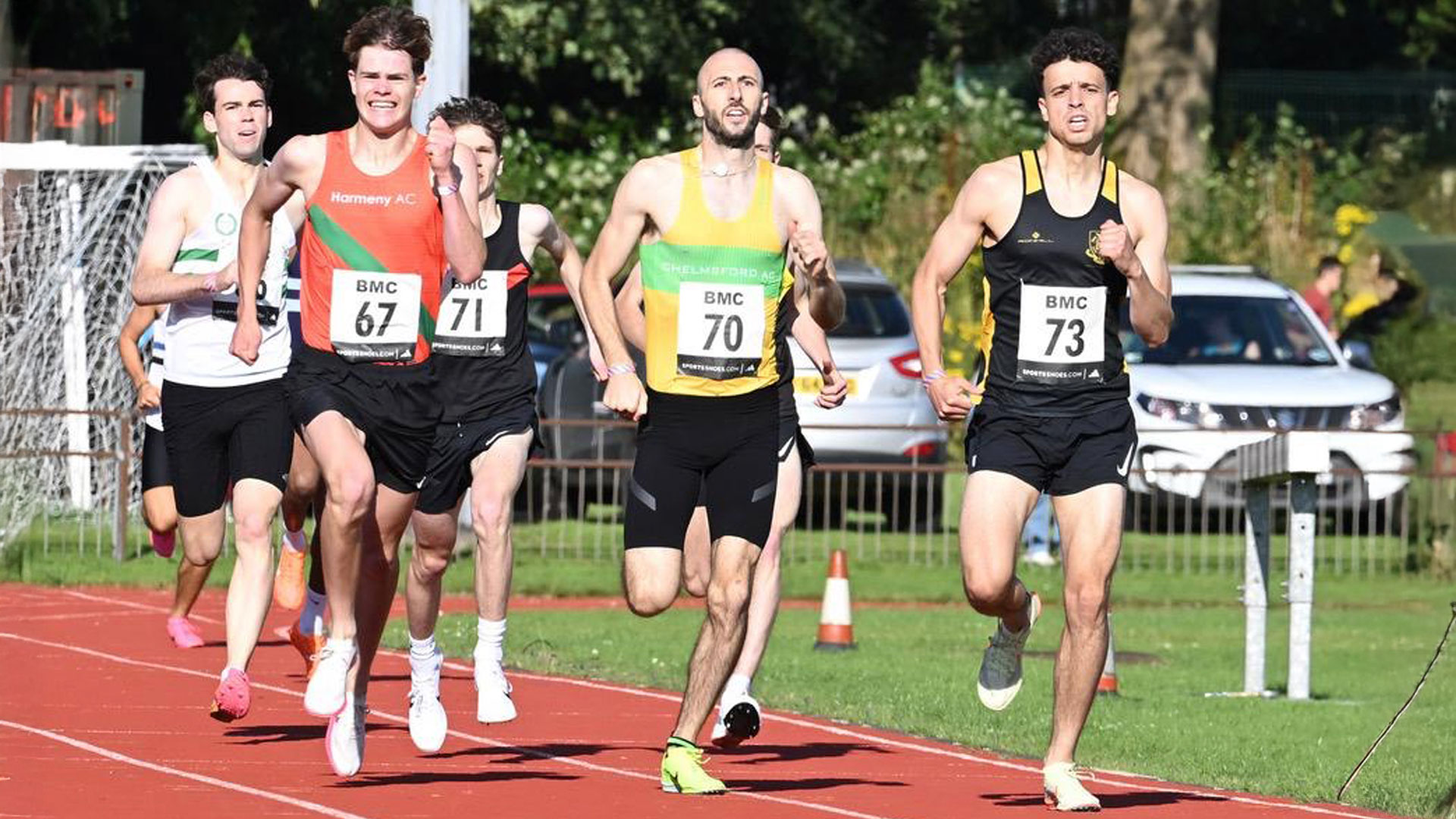
The middle-distance folk within my group come out of hibernation in the next week. Well, a couple of them have had some element of competition this winter, so I suppose they never went in, but for others, we are literally trying to hit the ground running by being competitive in early May. Luke Oliver is one of my guys in such a position. Luke and I are into our fourth year of working together, and to this point, we’ve had a broad focus of running road and XC through Autumn/Winter and blending open meets with National League track fixtures supporting his club Chelmsford AC through the summer. Whilst Luke has achieved PBs both on the road, 5–10km, and on the track, 400m through to 3,000m, we both felt that he was not doing himself justice having such a broad focus. Based on that, he decided to double down on his effort towards 800m and gear the training year towards a stretched objective over 800m. The next series of rolling points paints the picture, some background on Luke, and then into structuring his year and the specific dynamics of the periodised plan.
1. About Luke
Working with Luke is a lot of fun; we have had a blast over the last 3–4 years. Luke is a 30-year-old career-oriented professional who can often work Monday through Friday, 10–12-hour days. He can also spend up to 5–6 hours per day in his car! Therein lie the challenges: time and the physical challenges of a sedentary day job! The main upshot of this is limited training time, not to mention a portion of that time being used to cover the remedial work to get his body in a position to be athletic. When we first had the conversation about event specificity, he’d floated the idea of 800m or 1,500m. To my mind, 800m presented him with a greater opportunity for achieving both a personal stretched gain and also, I believe, an opportunity to climb to a higher level on the U.K. competitive pyramid. However, we approached this more specific campaign, his physical resilience and time availability were going to be big factors, and much of our discussion has been pondering that. Luke has also found time to accommodate weekly or even more frequent physiotherapist visits; this has been invaluable; we’ve opened up a really effective three-way dialogue considering his needs from both a performance and remedial perspective and also the art of the possible in terms of training progression.
2. 800m is different
When you undertake the coaching certifications, the first thing they tell you is that as a coach, every athlete’s journey is unique. That’s true, but they also tell you it makes little difference whether the coach has the experience of being in the position the athlete is in; it’s stated that such experience can get in the way! Perhaps it stifles objectivity. From my perspective, this is bullshit. I know why it is said, but it is bullshit all the same. It helps immensely and brings an incredible amount of value to any engagement. With most of the athletes I coach, I have been in their shoes at some point. In short, I only collaborate with athletes whose position I have a particularly good understanding of. I have been in the position Luke is in – challenging biomechanics, limited time, and a massive desire to be as good as he can be over 800m and very much at the level he is progressing toward. Back to 800m being different, in terms of effective training for an optimal position, the gap between training for 800m and 1,500m is far greater than the gap between 1,500m and 5,000m. Training for 800m is very specific; the demands of the event are both anaerobic and aerobic, and you need to be effective in utilising both energy systems. From a muscular skeletal perspective, the development of both specific muscular characteristics and an effective range of movement aligned to strength throughout that range is key in moving someone like Luke’s performance significantly. From here, I will get into what Luke’s training has been like over the last 6–7 months.
3. Autumn, it is all about the base.
Luke had a late start to his autumn; a break followed by some viral issues meant he had had eight weeks off, so it was very much a progressive and slow start. Six weeks building from three short runs per week through to six runs per week with the introduction of a couple of better sessions starting to build up his aerobic capability and resilience to more demanding training. At the end of this stage, his week typically looked like this.
- Mon: 40 minutes easy run plus core strength session, specific focus posterior chain
- Tue: tempo run as 15-minute progressive warm up, 20 minutes tempo, 2 minutes jog, 15 minutes tempo, 10 minutes cool down.
- Wed: rest
- Thur: 45 minutes steady run
- Fri: 30 minutes easy run plus gym strength set (weights at 60–70% 2 x 10–12 on sets and reps)
- Sat: hill reps as 15 minutes progressive warm up, 10 x 60 secs, jog down recovery, 10 minutes cool down.
- Sun: 60 minutes easy into steady running
A couple of things to note here: this is Luke nearly maxing out on his time availability, and in fairness, what his body could take at this time from a volume and quality perspective, but it was a clean phase with little interruption. From a time perspective, we’re closing in on Christmas.
4. Early winter into mid-winter
Now, for anyone running 800m through to 10km, I am a massive fan of frequent VO2 Max sessions; it is where I have always got the best bang for my buck, albeit for my 800m-focused guys, it is a development exercise mostly out of season. For my 1,500m to 10km guys, I am running these sessions two weeks out of three, almost year-round. I see these sessions for Luke like this: it’s pretty much the best pace he can hold for 8 minutes, so from a session perspective, I’d have Luke looking to cover between 4,500m and 6,200m worth of intervals in such a session, always operating the interval recoveries at a 1:1 relationship with interval run time. For this period, Luke’s training looked like this.
- Mon: 40 minutes easy running plus core and lower body strength 70-80% 2 x 8–10 reps
- Tue: VO2M session as 15 minutes progress warm up; 3 x (1 x 800, 2 x 400) plus 3–5 x 60–80m fast strides to finish 10 minutes cool down.
- Wed: rest
- Thu: 45 minutes steady running
- Fri: 30 minutes easy running plus core and upper body strength 70–80% 2 x 8–10 reps
- Sat: hill reps done as 8 x 60 seconds, jog down recovery, plus 4–6 x 20 seconds on the same hill fast off 2 minutes walk recovery, 10 minutes cool down.
- Sun: 60 minutes easy into steady running
During this period, we built the plan, so Tuesday’s and Saturday’s sessions contained elements of much faster running. In addition, you might have also noticed the progression from lighter endurance weight sets to a medium-heavy strength set. It was a massive bonus for him to stay resilient through this phase, save a seasonal infection and a minor injury falling over whilst racing a sprinter at midnight on NYE.
5. Late winter into early Spring
The start of Luke’s much faster work and a transitional period moving towards specific 800m sessions, which I term either base sessions or race sessions. In this phase, we focus on building base sets into race sets at the end. Rather than a weekly example schedule, here I have illustrated a couple of his key workouts during this period. Tuesday’s VO2 session morphed very slightly into a crossover 3,000/1,500m pace session. Progressive 20 minutes warm up; 3 x (600m in 1:42 minutes, 3 x 300 each in 47 seconds, all intervals off 90 seconds recovery) 10 minutes cool down. We started to alternate Luke’s Saturday morning session between a faster hill workout and a base 800m workout. For the hill workout, we took inspiration from former Olympic 1,500m Champion Taoufik Makloufi and his favourite hill session. Our version for Luke looked something like this: after an extended warm-up up it was into 2 x 8 x 20-second repeats, hit hard off a 2-minute walk down recovery, and 4-minute set recovery. His alternate with this being a base track 800m pace workout focused on either 200m, 300m or 400m intervals, the structure of which, after a warm up, was something like this: 2 x 3 x 300m in 42–43 seconds off 2.30 minutes interval recovery, 5 minutes set recovery. Luke’s weight sessions continued, but again got heavier, moving more toward a dynamic of developing power. He was up to 80–90% of max and lifting 2 sets of 6-7 reps, but also starting each exercise with a primer set at 50% of max.
6. Summer is coming…
This is where we are up to at this very moment. Luke is running weekly 800m base sessions and race sessions, plus either a 1,500m pace workout or a 400m pace workout. So that is three better sessions in a week. These are Tuesdays, Thursdays, and Saturdays; he is just jogging on the days in between. His weight sessions continue in the weeks where there isn’t a race that provides a PB opportunity, the upper and lower body sessions have combined in a Monday workout with reduced exercise rather than 12 exercises for the lower and upper body it’s 6 exercises each, this session is now very power focused, a couple of set of 1–4 reps at near 100%. On Friday, we introduced a Plyometrics session combined with a small number of stabilising exercises. Regarding the better track workouts, here are some examples of what they look like, all with an extended 20–30 minute warm-up and 10 minutes cool down.
- 1500m pace workout – 2 x 8 x 200m intervals in 30/31 seconds, 60-second recovery between intervals and 2 minutes between sets
- 800m pace ‘base’ workout – 4 x 400m intervals in 56/57 seconds recovery 4 minutes between intervals.
- 800m pace ‘race’ workout – 2 x 500m + 200m, 500m in 70/71 seconds rest for 30 seconds run 200m in 27/28 seconds, rest for 10 minutes then repeat.
- 400m pace workout – 100m, 150m at 51/52 second 400m pace, extended recovery more than 8 minutes, then 100m to max velocity (as fast as Luke can run), 15 minutes recovery, then light jogging before 3–4 x 80m strides.
That is it! Our aspiration is that this takes Luke forward significantly this season, as he starts his race campaign both this weekend and next weekend. I will say, it is an approach to getting ready for a competitive 800m season, certainly not the approach, there is not one, it is varied. Plus, different individuals will respond differently to differing stimuli; we believe this will work for Luke; we will find out! The proof of the pudding is in the eating, as they say!


05.11.25
What is Lactate Threshold and how does it relate to training?

24.09.25
End of season update for Luke Oliver
12.09.25
Marathon training and performance – cutting the wheat from the chaff
01.07.25
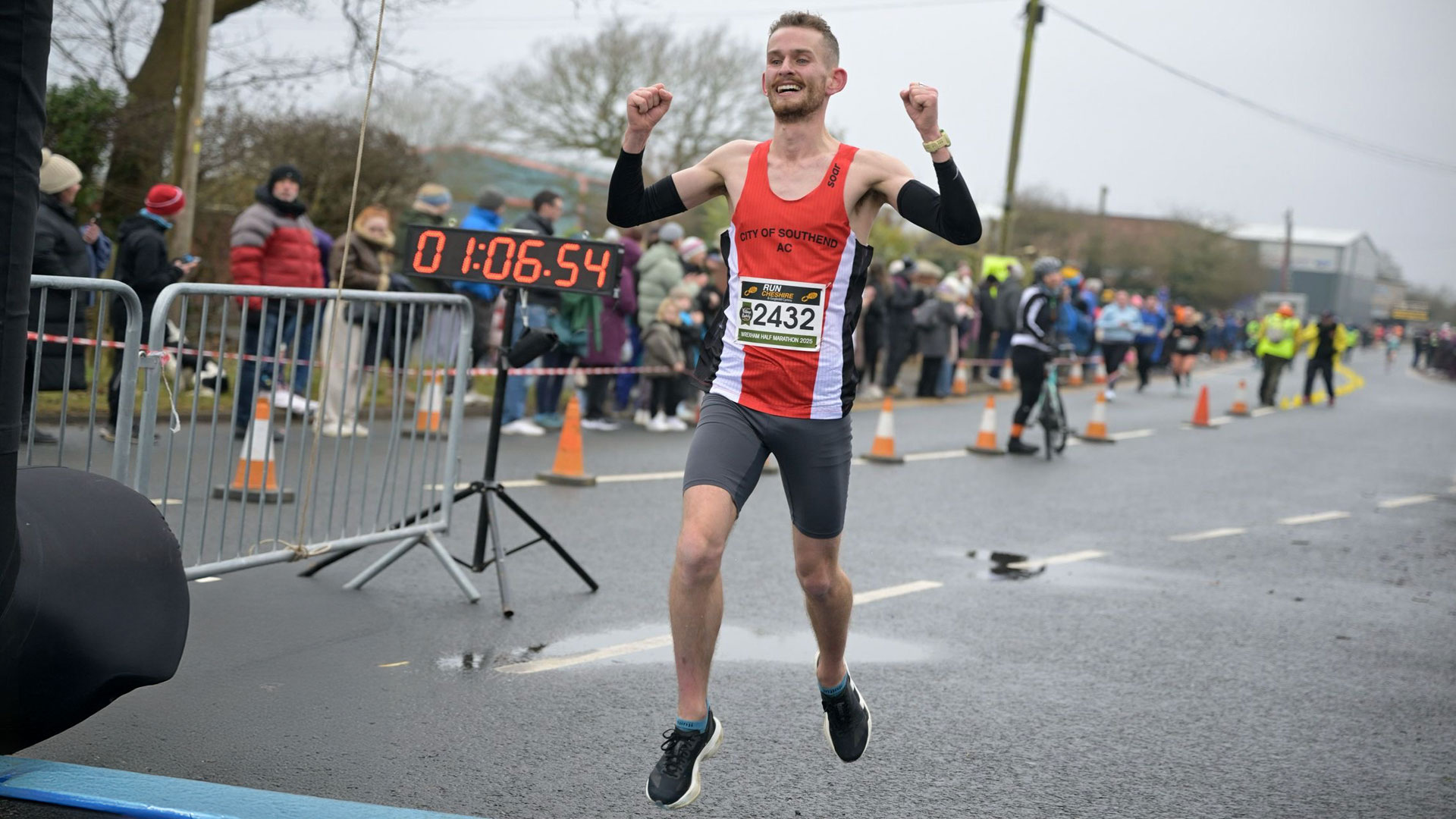
Running a fast half-marathon…
15.06.25
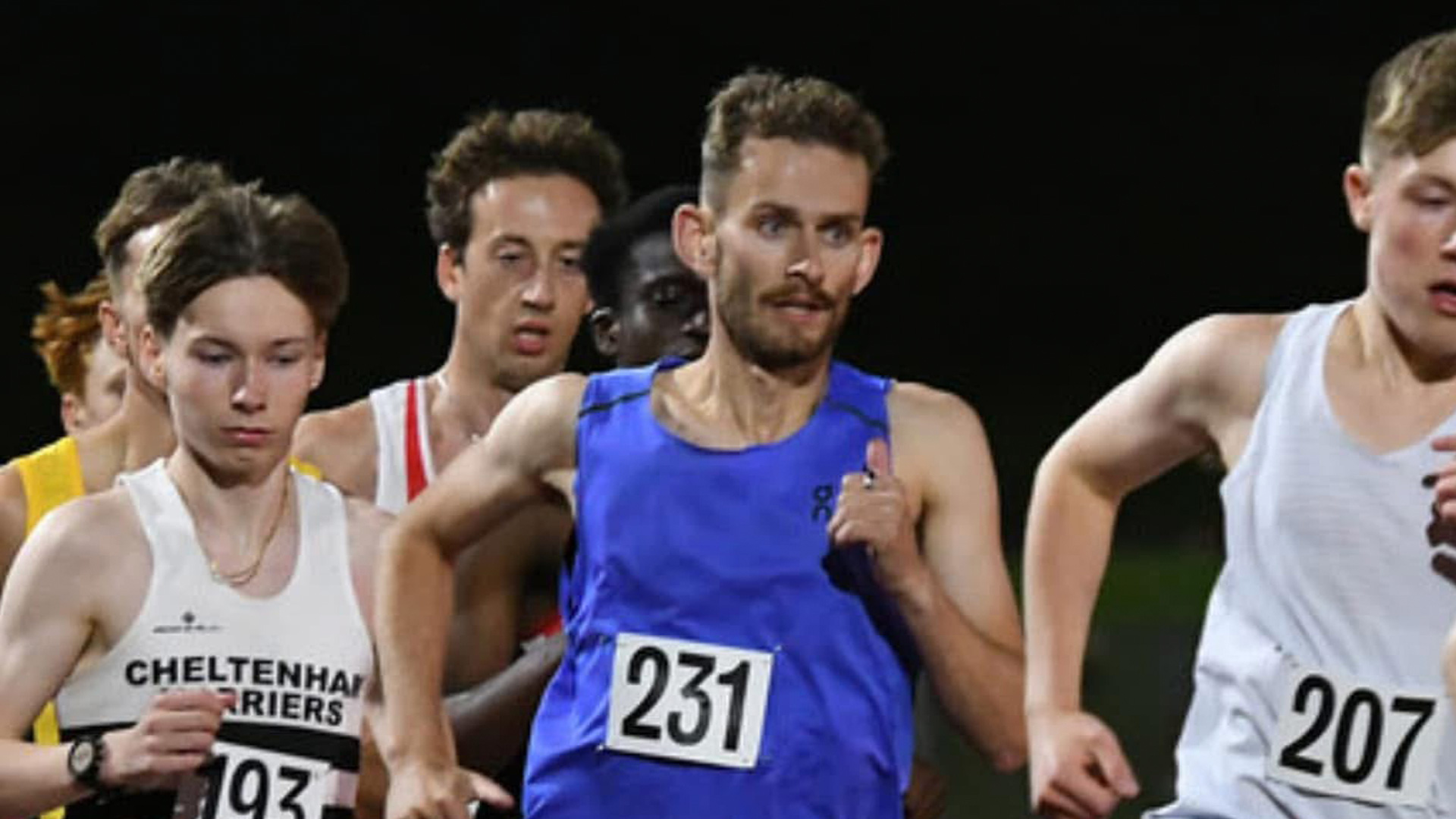
The pursuit of speed – playing the long game
01.06.25
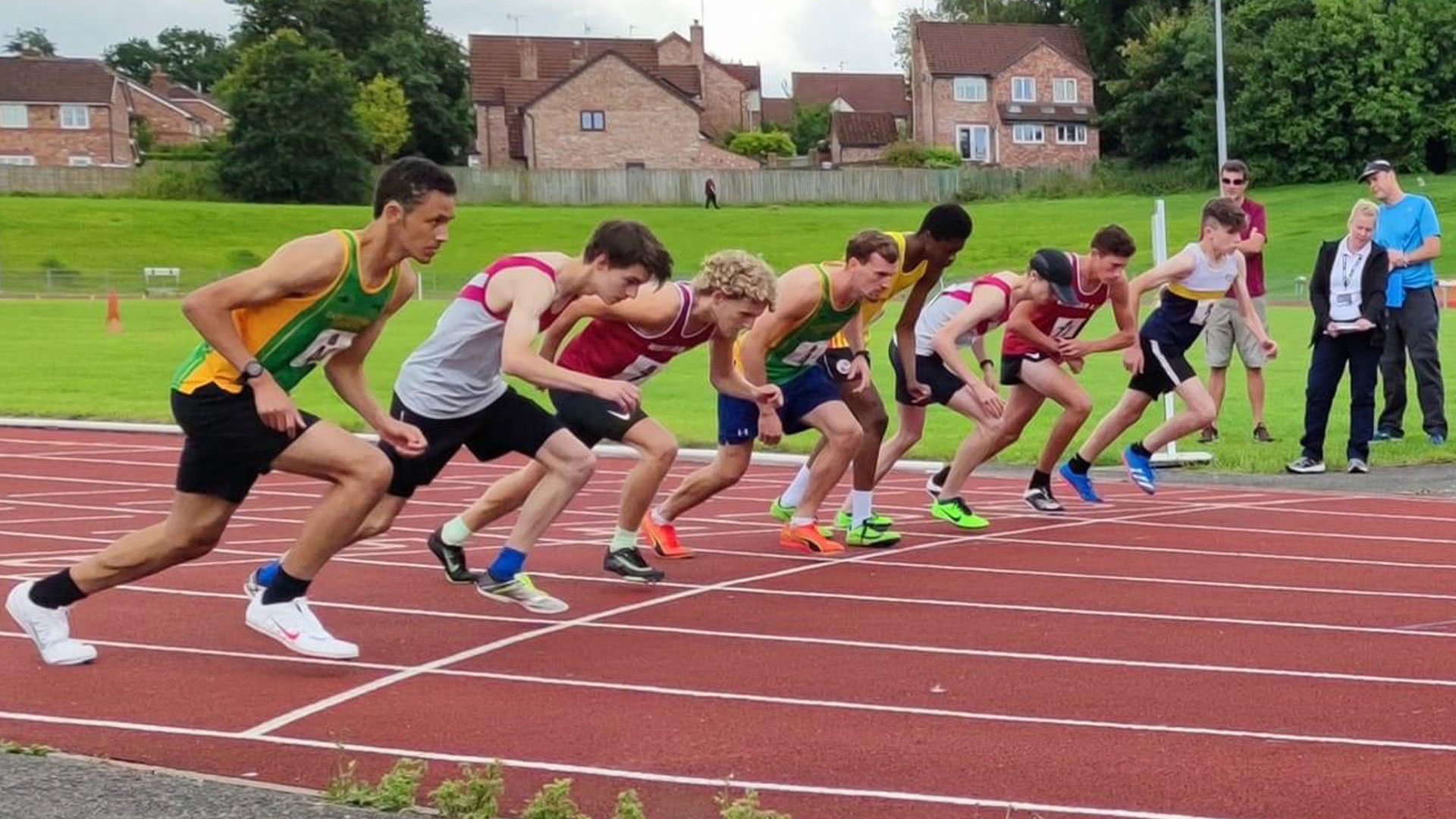
800m, you’ve changed bruv!
01.05.25
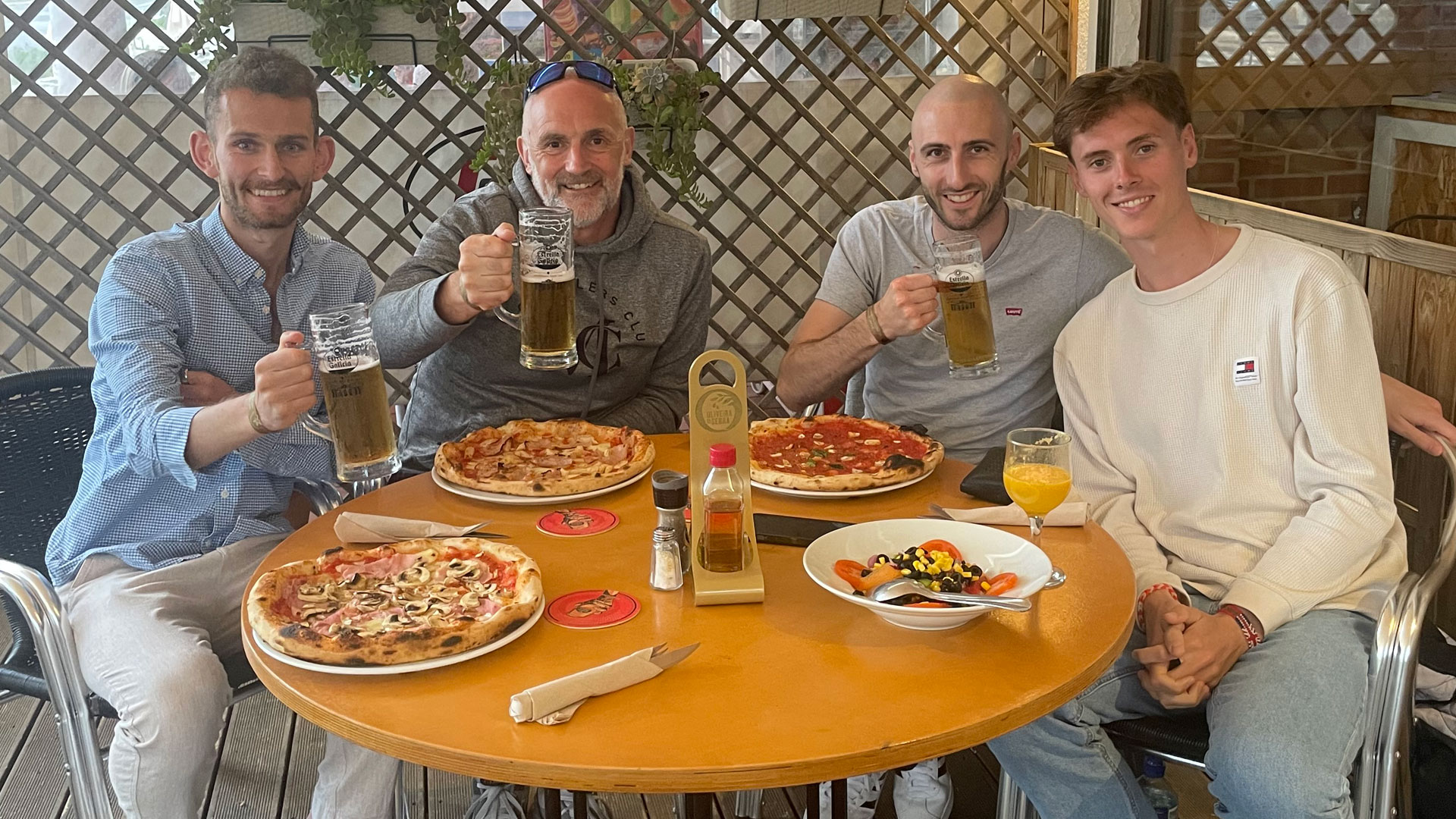
Some musings from a week of endurance coaching on the Algarve…

01.04.25
Let’s talk recovery!
01.03.25
Preparing one of my guys for a season over 800m
01.02.25
Big breakthroughs and higher-level performances do not happen by chance.
01.11.24
Ironman Barcelona – It doesn’t always go to plan
1 / 5