
Our latest observations on all things running
Our News
01.05.25
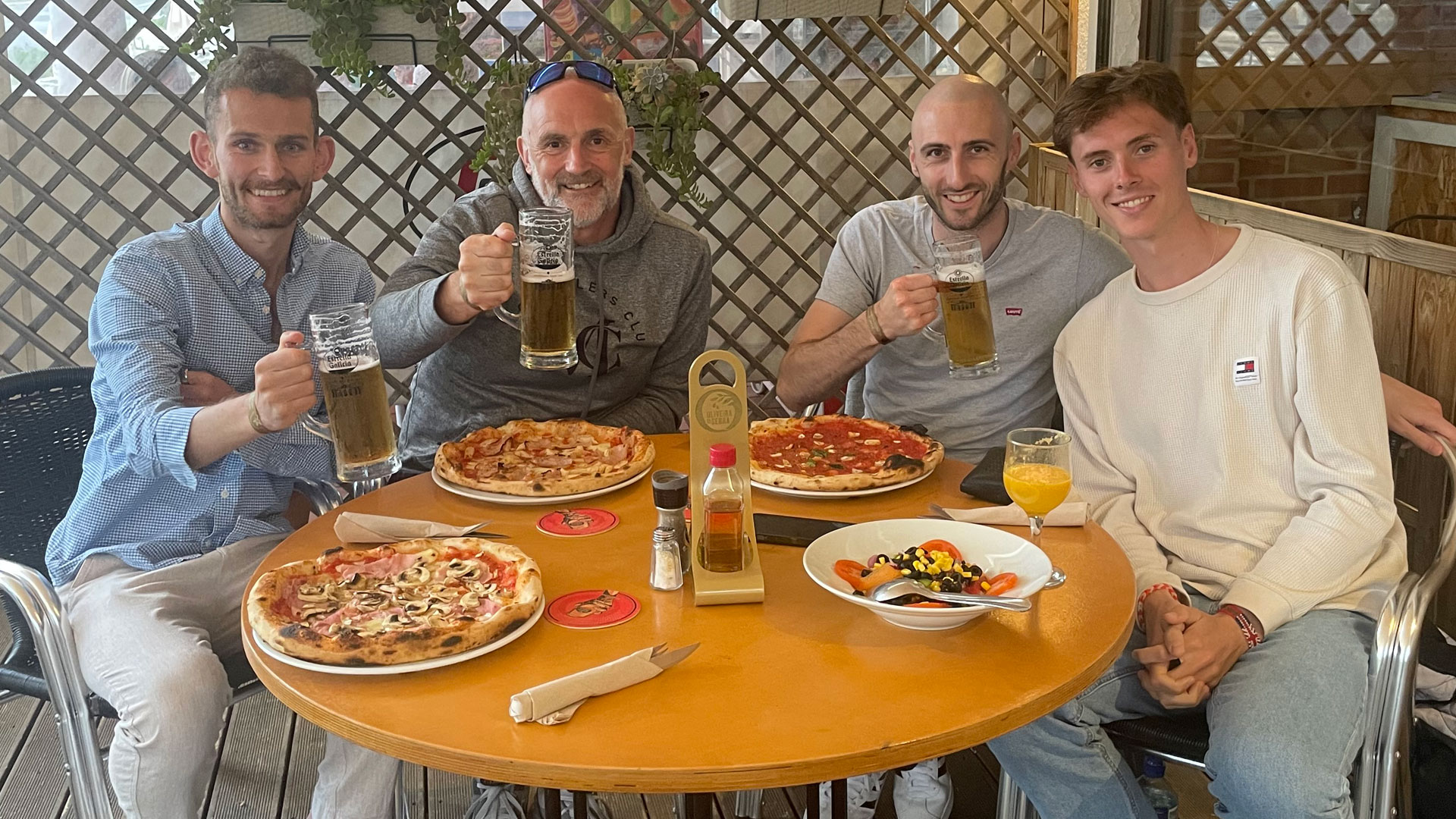
Some musings from a week of endurance coaching on the Algarve…
Living by numbers…
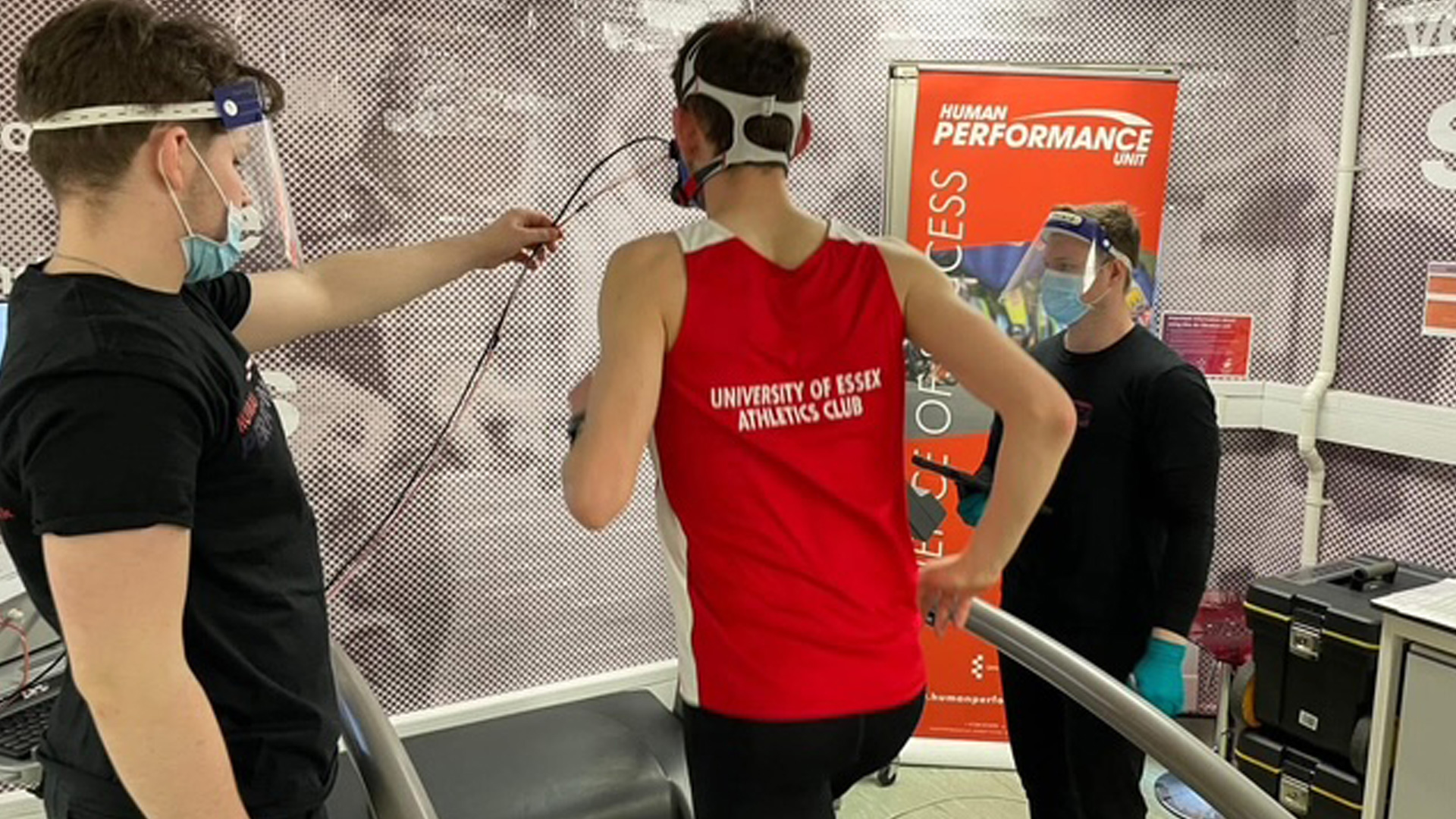
For me, it is the time of year when coaching runners gets most interesting. Whatever the focus for the guys and girls in my performance group, the goals do not look massively different through autumn and winter; we’re building aerobic base and strength. During this period, we test physiology, functional strength, and range of movement, we get a touch obsessive about numbers, we get lots of data, we structure this into some semi-useful information and from this we hope to gain some insights that can make a real difference. That is how we work during the winter, driven by the science to get as aerobically fit and as strong as we possibly can.
In Spring, we change, we go from being driven by numbers to, well, being driven by numbers really…
Running is an aspirational sport, and that comes alive for me in the track season, May to September. We sort of throw our rule book out of the window and go from being focused on what the science is telling us to what our aspirations are. Of course, the science and the learning from the winter season determine what is realistic for those aspirations, but nonetheless, it is a move from science to aspiration.
It is like this: if you want to run 3:45 for 1,500m, your 1,500m sessions really need to be at 3:45 pace or better. Show me a guy who can run 10 x 400m in 60 seconds with 2 minutes recovery between them, and I will show you a guy that can run 3:45 for 1,500m, simples.
This transition to aspiration-focused training happens over about 3–5 weeks for us. We set the summer objectives based on the winter progress, and we then, for our better sessions, glue ourselves in for time-based objectives based on aspiration.
Here are some examples from a few of the guys I work with.
Andrew
Andrew is a 17-year-old 800/1,500m athlete and an English Schools medallist from last year. Andrew’s targets for the year are again the English Schools, and from a time perspective, 1:50 for 800m and 3:48 for 1,500m. This is what training for Andrew has looked like this week.
- Monday
- am: 40 minutes easy running (Z1)
- pm: plyometrics (complex multi-joint)
- Tuesday
- pm: VO2M into a 1,500m pace session
- warm up: 2 x 800 – 2:16 2/RI, 3 x 600 – 1:39 1:30/RI, 4 x 400 – 1:04 1:00/RI, 4 x 200 – 0:30 1:00/RI; cool down.
- Wednesday
- Rest
- Thursday
- pm: 45 minutes steady running (Z2) including 6 x 100m progressive strides.
- Friday
- am: 40 minutes easy running (Z1)
- pm: strength and core
- Saturday
- am: 800m pace session.
- warm up: 500m – 1:08 5 minute/RI, 400m 0:54 4 minute/RI, 300m – 0:41 3 minute/RI, 200m 0:27 2 minute/RI, 100m – 0:13; cool down.
- Sunday
- am: 60 minutes (20 mins Z1 into Z2, 40 miutens at LT1)
Luke
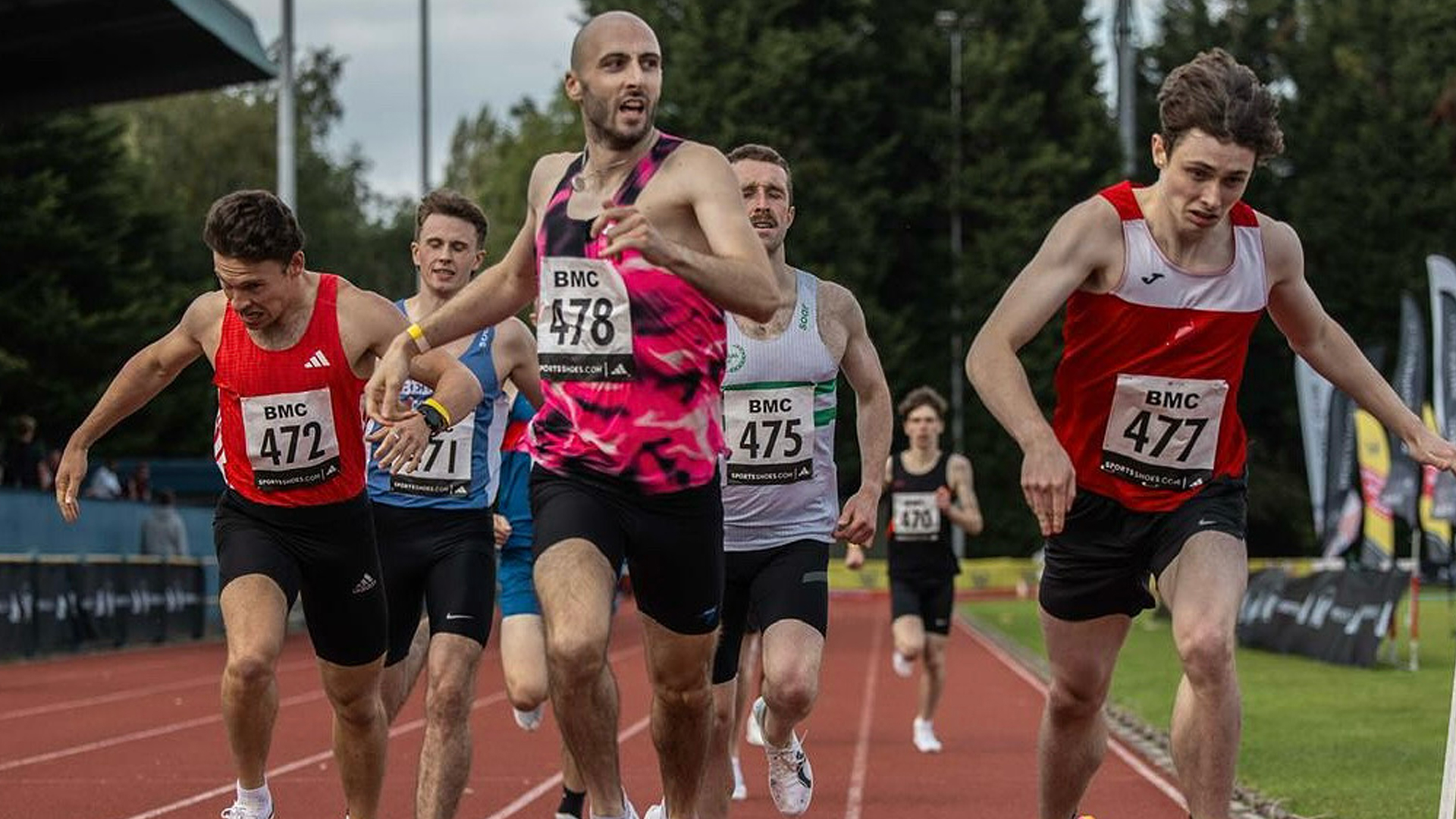
Luke is a 31-year-old 800m specialist. We can put 800m runners into three categories, as I see it: 400/800m types, 800 purists and 800/1,500m types. Luke is bang in that middle category. Last week I got to spend time training with Luke in the Algarve, an extremely useful time, putting changes into his warm-up and plyometric regime. This summer, our aspiration for Luke is 1:51/52. We will be trying to manage him to peak at the Southern Champs. This was his schedule last week during spring camp.
- Sunday
- am: 800m (H+ overload session)
- Warm up: 500m – 1:10 minute 0:30/RI, 100m – 13.5sec 8 minute/RI, 400m – 0:55 second 0:30/RI, 200m – 27.0 second 8 miute/RI, 300m – 41 second 0:30/RI, 100m 13.5 second; cool down.
- Monday
- am: 40 minutes easy run (Z1)
- pm: functional strength session
- Tuesday
- am: 1,500m pace session, warm up; 2 x 600m – 1:33, 3 minute/RI, 4 x 400m – 1:01, 2 minute/RI, 6 x 200m – 0:30, 1 minute/RI; cool down.
- Wednesday
- am: 30 minutes easy run (Z1)
- pm: core stability session
- Thursday
- pm: 45 minute LT1 run done as; 5 minutes Z2 into 35 minutes LT1 into 1:30 minute LT2 into 3:30 minute Z1.
- Friday
- am: 40 minutes easy run (Z1)
- pm: plyometrics (complex multi-joint)
- Saturday
- am: 400m pace session; warm up 3 x 200m – 24–25 second – 12 minute/RI; cool down.
Bob
Also with us on the Algarve last week was Bob; it is fair to say Bob maximised his winter running, huge PBs over half-marathon (66 minutes) and 10km (30:04 minutes). These races followed a 24-week training period, which was certainly the best-executed macro-cycle I have ever seen from an athlete under my guidance; it was simply stellar. Given that we are punting for stretched performance improvements this summer over 5,000/3,000m and 1,500m, setting time objectives of 14:20/8:15 minutes and 3:48.5 minutes. Again, we will try to bring him to peak at the Southern Champs. This is what he did last week.
- Sunday
- am: 60 minute LT1 run done as; 5 minute Z1 into 5 minutes Z2 into 50 minutes LT1.
- pm: LT2 intervals (warm up 10 x 800m 2:26/27, 1:30 minute/RI; cool down
- Monday
- am: 40 minutes easy run (Z1)
- pm: 40 minutes easy run (Z1)
- Tuesday
- am: 40 minutes easy run (Z1)
- pm: 1,500m pace session, warm up; 2 x 600m – 1:31, 3 minute/RI, 4 x 400m – 1:01, 2 minute/RI, 6 x 200m – 0:30, 1 minute/RI; cool down.
- Wednesday
- am: 40 minutes easy run (Z1)
- pm: functional strength session
- Thursday
- am: 40 minutes easy run (Z1)
- pm: 60 minute LT1 run done as; 5 minute Z1 into 5 minutes Z2 into 50 minutes LT1.
- Friday
- am: VO2M into 1,500m pace session, warm up; 2 x 800m – 2:14, 2 minute//RI, 3 x 600m – 1:39, 1:30/RI, 4 x 400m – 1:04/05 minute, 1 minute/RI, 4 x 200m – 0:30 second, 1 minute/RI; cool down.
- pm: plyometrics (minimal impact light session, in-line jump variations)
- Saturday
- am: 40 minutes easy run (Z1)
There are a couple of things that struck me, being away with the guys, in addition to observing the other exceptionally good athletes on site and chatting with many coaches. These guys are going about their business even as recreational athletes incredibly professionally, far better than I did back in the day. I was no great athlete, but I did win a Welsh 1,500m, I placed at Universities Championships over 1,500m and 800m, and I represented my country at XC, 800m, 1,500m and 3,000m. I say this not to blow my own trumpet but simply to give validity to my viewpoint here – I have context.
These guys nail everything. I see athletes heading to bed before 10 pm, I see athletes nailing the post-session nutrition window, I see diligent supplementation; multi-vitamins, creatine, collagen, glucosamine. From a dietary perspective, it is near impossible to pick fault. They want to get better, which makes the time I put in very worthwhile.
I read a lot about the general lifting of standards, whether it be at a county, regional, national, and elite level, being down to equipment, essentially shoes, sure there’s benefit there, a little from a performance perspective and a fair amount from a recovery perspective. But as far as I can see, they’re going about their business better than we did back in the day, certainly better than I did. Now much of this is knowledge, access to insights, a wiki effect if you like. I, for one, love it. I love the drive in technology, and I’m loving the surge in performance at many levels.
For the record, for many reasons, my guys don’t train in carbon performance shoes; they’re for race day.


05.11.25
What is Lactate Threshold and how does it relate to training?

24.09.25
End of season update for Luke Oliver
12.09.25
Marathon training and performance – cutting the wheat from the chaff
01.07.25
Running a fast half-marathon…
15.06.25
The pursuit of speed – playing the long game
01.06.25
800m, you’ve changed bruv!
01.05.25
Some musings from a week of endurance coaching on the Algarve…

01.04.25
Let’s talk recovery!
01.03.25
Preparing one of my guys for a season over 800m
01.02.25
Big breakthroughs and higher-level performances do not happen by chance.
01.11.24
Ironman Barcelona – It doesn’t always go to plan
1 / 5